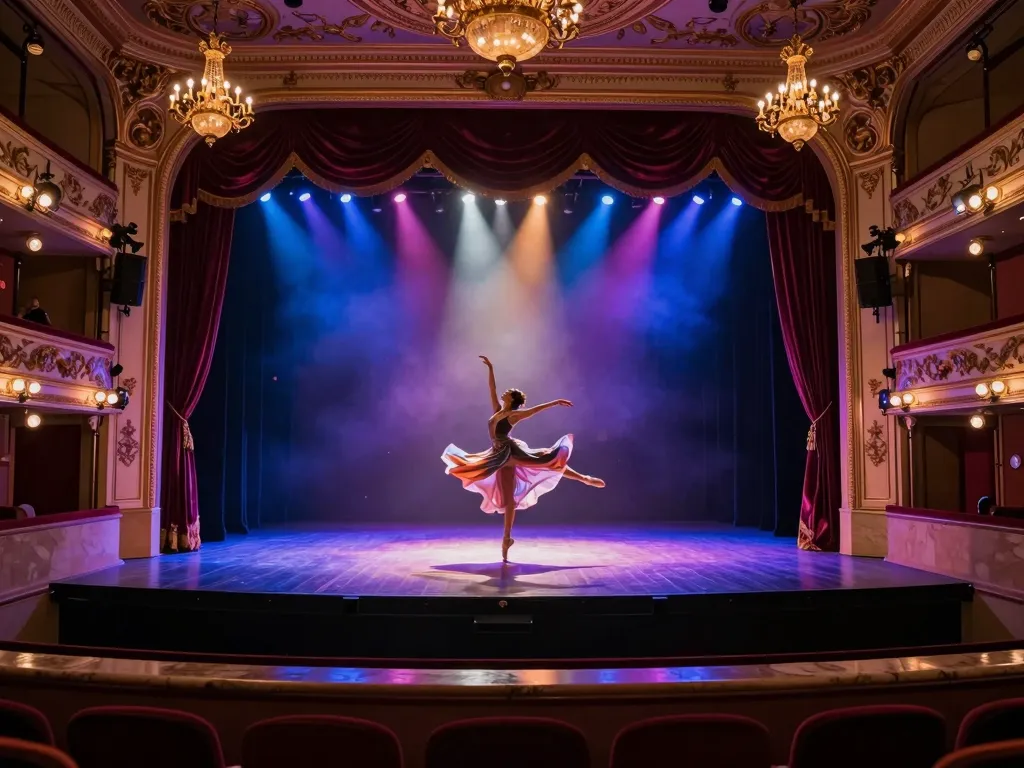
Transformative Technologies Shaping the Future of Arts & Entertainment
The convergence of technology and creativity is an exhilarating frontier, where emerging innovations promise to revolutionize the arts and entertainment landscape. From virtual reality experiences that immerse us in new worlds to artificial intelligence that co-creates art, the possibilities are boundless. In this section, we will delve into how these technologies are reshaping the future of creative industries.
Subsection 1.1
One of the most compelling advancements is in virtual reality (VR) and augmented reality (AR). Both technologies provide unique environments where artists can express themselves and audiences can experience art in transformative ways. For example, the immersive VR installation “The Night Cafe” invites users to step into a virtual reimagining of Vincent van Gogh’s iconic painting. This type of experience blurs the line between observer and participant, heralding a new era of interaction with art.
Subsection 1.2
Furthermore, AI is making waves by not only assisting in creative processes but also generating original content. For instance, OpenAI’s DALL-E is capable of creating stunning visuals from textual descriptions, embodying a new paradigm in digital art. Artists can leverage these tools to explore previously unimaginable creative avenues, pushing the boundaries of what is considered art.
Subsection 1.3
Blockchain technology is also carving its niche in the arts, particularly in the realm of ownership and provenance. NFTs (non-fungible tokens) have emerged as a revolutionary way for artists to monetize their digital creations. Platforms like OpenSea and Rarible allow creators to sell unique digital art pieces directly to consumers, ensuring that artists receive royalties for secondary sales. This shift could redefine the economic model of the art world, ushering in a decentralized marketplace for creativity.
The Evolution of Music: From Creation to Consumption
The music industry is undergoing a radical transformation, fueled by advancements in technology that have redefined both the creation and consumption of music. The rise of AI-driven music composition tools, interactive streaming platforms, and blockchain-based royalty distribution are just a few examples of the innovations empowering artists and changing how audiences engage with music.
Subsection 2.1
AI tools such as Amper Music and AIVA allow musicians to compose tracks with minimal effort, enabling artists to focus on the creative aspects of music rather than the technical complexities. These platforms analyze existing music patterns and styles, creating unique compositions that can serve as a foundation or inspiration for artists.
Subsection 2.2
Streaming platforms have evolved beyond mere distribution channels. With AI-driven algorithms, these platforms now offer personalized listening experiences that enhance user engagement. Spotify, for example, curates personalized playlists based on listening habits, fostering a deeper connection between artists and fans. As this personalization increases, artists can leverage data analytics to better understand their audience and tailor their music strategies.
Subsection 2.3
Blockchain technology is redefining how artists receive payments for their work. Platforms like Audius allow artists to maintain ownership of their music while ensuring they receive fair compensation for streams. With smart contracts facilitating automatic payments, artists can bypass traditional intermediaries, reclaiming their earnings and fostering a more equitable music ecosystem.
The Intersection of Film and Emerging Technologies
Film is experiencing a renaissance as emerging technologies redefine storytelling, production, and distribution. Innovations in CGI, real-time gaming engines, and immersive experiences are pushing the boundaries of visual storytelling and audience engagement.
Subsection 3.1
One groundbreaking development is the use of real-time rendering engines, such as Unreal Engine, in film production. This technology allows filmmakers to create hyper-realistic environments and scenes in real-time, vastly reducing post-production time. The production of projects like “The Mandalorian” has showcased the potential of LED wall technology, enabling filmmakers to shoot in immersive environments that respond dynamically to camera movements.
Subsection 3.2
The advent of augmented reality in film allows for interactive storytelling, where audiences can engage with narratives in a multi-dimensional way. Projects like “The Walking Dead: Our World” integrate AR to connect viewers to the storyline while utilizing their surroundings, enhancing engagement and participation in the narrative.
Subsection 3.3
Furthermore, distribution mechanisms are evolving as platforms like Netflix invest in interactive films, allowing viewers to make choices that affect the outcome of the story. This shift not only transforms passive viewing into an active experience but also opens up a new realm for narrative exploration and viewer agency.
The Impact of Gaming Technologies on Art and Storytelling
Gaming technologies are not just for entertainment; they are also influencing the broader arts and storytelling landscapes. With advancements in graphics, narrative structures, and community engagement, the gaming industry is becoming a vital player in cultural expression.
Subsection 4.1
One of the most notable trends is the rise of narrative-driven games, where storytelling takes center stage alongside gameplay mechanics. Titles like “The Last of Us Part II” showcase how video games can convey deep emotional narratives, paralleling traditional cinematic storytelling while offering interactivity that enhances immersion.
Subsection 4.2
Moreover, game engines are increasingly being used as tools for artistic expression. Artists are creating virtual installations and performances within game environments, blurring the lines between gaming and visual arts. This crossover invites new audiences and encourages collaboration between gamers and artists, fostering innovative creations.
Subsection 4.3
Community-driven platforms such as Roblox and Fortnite are paving the way for user-generated content, where players can design their worlds and experiences. This democratization of creativity empowers individuals to become artists and storytellers, leading to an explosion of diverse narratives and expressions that reflect a wider range of perspectives.
The Future of Cultural Experiences Through Immersive Technologies
The future of cultural experiences is poised to be transformed by immersive technologies that create multisensory environments for audiences. As museums, galleries, and performance spaces adopt these technologies, the way we engage with culture will forever change.
Subsection 5.1
Interactive installations are becoming a hallmark of modern exhibitions. For instance, the “Van Gogh Immersive Experience” utilizes projection mapping to envelop visitors in the artist’s works, allowing them to experience art in a way that transcends traditional viewing. This blending of art and technology encourages deeper emotional connections with cultural artifacts.
Subsection 5.2
Moreover, location-based experiences are gaining traction as artists leverage AR to create site-specific installations. Projects such as “Ghost Forest” in New York City use environmental storytelling to raise awareness about climate change, merging art with social commentary and inviting public interaction.
Subsection 5.3
As the metaverse continues to evolve, cultural institutions are exploring virtual galleries and performances that reach global audiences. The ability to transcend geographic limitations enables artists to share their work with a wider audience, fostering a more inclusive and diverse cultural dialogue. Initiatives like Decentraland allow artists to create virtual spaces where users can experience art in a new dimension, merging the physical and digital realms.